← All issues of the MyCoddi Memo
The MyCoddi Memo
Issue 02  Β·  April 19, 2026
For independent travel advisors who treat their practice like a business
πŸ“¬  Get the MyCoddi Memo in your inbox every two weeks β€” free.
Subscribe free β†’
Two people talking across a table
Issue 02 Β· April 19, 2026
The referral system that runs itself β€” and the price objection you've been handling wrong
E
Erin Β· MyCoddi
Editor, The MyCoddi Memo

Issue 02. Two weeks in and the Memo already has subscribers from four different states β€” which tells me the gap it's filling is real. Thank you for sharing it.

This issue tackles two things that come up constantly in conversations with advisors: how to build a referral system that doesn't rely on you remembering to ask, and what to actually say when a client tells you they found it cheaper online. Both are fixable. Neither requires expensive software or a marketing degree. Just a system and the right words.

In this issue
01How to build a referral system that runs without you chasing itBusiness
02How to respond when a client says "I found it cheaper online"Client Convo
03The prompt that writes a destination pitch for a hesitant clientAI Prompt
04Why Portugal is peaking β€” and when to stop recommending itDestination
05The moment advisors knew they needed to charge planning feesAdvisor Insight
01
Business

How to build a referral system that runs without you

Referrals are the best leads in travel. They arrive pre-sold, pre-qualified, and already trusting you. But most advisors treat referrals as something that either happens or doesn't β€” a pleasant surprise rather than a predictable outcome. That's a choice, and it's costing you bookings.

A referral system doesn't mean pestering your clients or offering cash incentives that cheapen the relationship. It means building deliberate touchpoints into your workflow that make referring you the natural, easy thing to do.

Handshake across a desk
The best referral systems don't feel like systems to the client. They just feel like good service.
1
The pre-departure moment Three to five days before a client departs, send a short, warm message. Check in on their excitement, remind them of something specific to look forward to, and close with a single line: "If you know anyone else who travels the way you do, I'd love an introduction." The timing matters β€” clients are at peak excitement and goodwill toward you. That's the moment to ask.
2
The post-trip follow-up Within a week of return, send a genuine check-in. Ask what they loved, what surprised them, what they'd do differently. Then: "Would you be comfortable leaving a short Google review? It genuinely helps people find me." A Google review is a referral that works indefinitely β€” don't skip this step.
3
The annual touchpoint On the anniversary of their trip, send a one-line message: "One year ago today you were in [destination] β€” hope the memories are still good ones." It takes thirty seconds and it's the single most effective relationship maintenance tool most advisors never use. Clients who hear from you between bookings refer you constantly. Clients who only hear from you when you need something don't.

"The best referral systems don't feel like systems to the client. They just feel like a great experience."

The whole system above can be managed with a simple CRM, a calendar reminder, or even a spreadsheet. It doesn't require automation software. It requires consistency β€” and the decision to treat referrals as something you build deliberately rather than wait for passively.

Start with one touchpoint. The pre-departure message is the easiest to implement today, and it tends to produce results within the first few sends. Build from there.

Β· Β· Β·
02
Client Conversation

How to respond when a client says "I found it cheaper online"

Every advisor hears this eventually. A client comes back with a screenshot, a competitor's quote, or a hotel rate they found on a booking site β€” and they want to know why your price is higher. How you handle the next sixty seconds determines whether you keep the client, lose them, or β€” most commonly β€” undersell yourself trying to win on price.

The most important thing to understand: this is rarely actually about price. It's a question about value. The client is asking, implicitly, what am I getting from you that I can't get from that website? If you can't answer that clearly and confidently, no price match will save you.

What to say
"I appreciate you bringing that to me β€” let's take a look at it together. The rate comparison is a fair question, and I want to make sure you're getting the best value. A few things worth checking: is that price including the same room category? Some sites show rates for lower-tier rooms by default. Also, does it include resort fees, transfers, or any of the extras we've built in? And here's the honest answer to the underlying question β€” what you're paying for with me isn't just the booking. It's someone who knows this property, knows the supplier, and will be reachable if anything goes sideways before or during your trip. That's not something a booking site provides."

Notice what that response does: it takes the comparison seriously without being defensive, it creates legitimate reasons the prices might differ, and it pivots cleanly to value without sounding like a sales pitch.

A few principles to keep in mind when this comes up:

1
Never apologise for your price Saying "I know we're a bit more expensive, but..." concedes the argument before you've made it. Start from a position of confidence, not defence.
2
Ask to see it "Can you send me that link?" buys you time, lets you identify actual discrepancies, and often reveals the comparison isn't apples-to-apples. Resort fees, service charges, and room tier differences close the gap more often than not.
3
Know when to let them go Some clients will always buy on price. They are not your clients. A gracious, confident exit β€” "If price is the primary factor, I completely understand β€” I'd rather you go where you're comfortable than feel like you're overpaying" β€” often brings them back after the booking site lets them down.

"This is rarely about price. It's a question about value β€” and if you can't answer that clearly, no price match will save you."

Β· Β· Β·
03
AI Prompt

The prompt that writes a destination pitch for a hesitant client

You know the scenario. A client is interested in a destination β€” maybe you've suggested it, maybe they've seen it somewhere β€” but they're not sold. They have concerns: too far, too expensive, too unfamiliar. They need to be convinced without feeling like they're being sold to.

This prompt builds a personalised pitch email that addresses their specific hesitations and connects the destination to what you already know they care about. Paste it into MyCoddi Edge or your AI tool of choice, fill in the brackets, and send.

This issue's prompt
"I'm a travel advisor writing a short, warm email to a client who is interested in [destination] but hasn't committed. Their main hesitations are [list 2–3 specific concerns, e.g. 'cost, long flight, unfamiliar food']. Based on previous conversations, I know they value [e.g. 'luxury properties, cultural experiences, and privacy β€” they don't want to feel like they're on a tourist trail']. Write a 200-word email that acknowledges their concerns directly, reframes each one honestly, and makes a compelling case for why this destination is right for them specifically. Tone: warm, knowledgeable, not salesy. End with a soft call to action β€” invite them to a 15-minute call to talk it through."
Tip: the more specific you are about the client's values and hesitations, the better the output. Vague inputs produce generic emails. If you've kept notes from your intake call or previous trips, paste those in directly β€” the AI will use them.

This prompt works equally well for proactive outreach β€” if you want to pitch a destination to a client who hasn't asked, substitute "I want to proactively suggest [destination] to a client who hasn't considered it" and adjust accordingly. Used consistently, it turns destination knowledge into booked itineraries rather than appreciated but unacted-upon suggestions.

Β· Β· Β·
04
Destination Brief

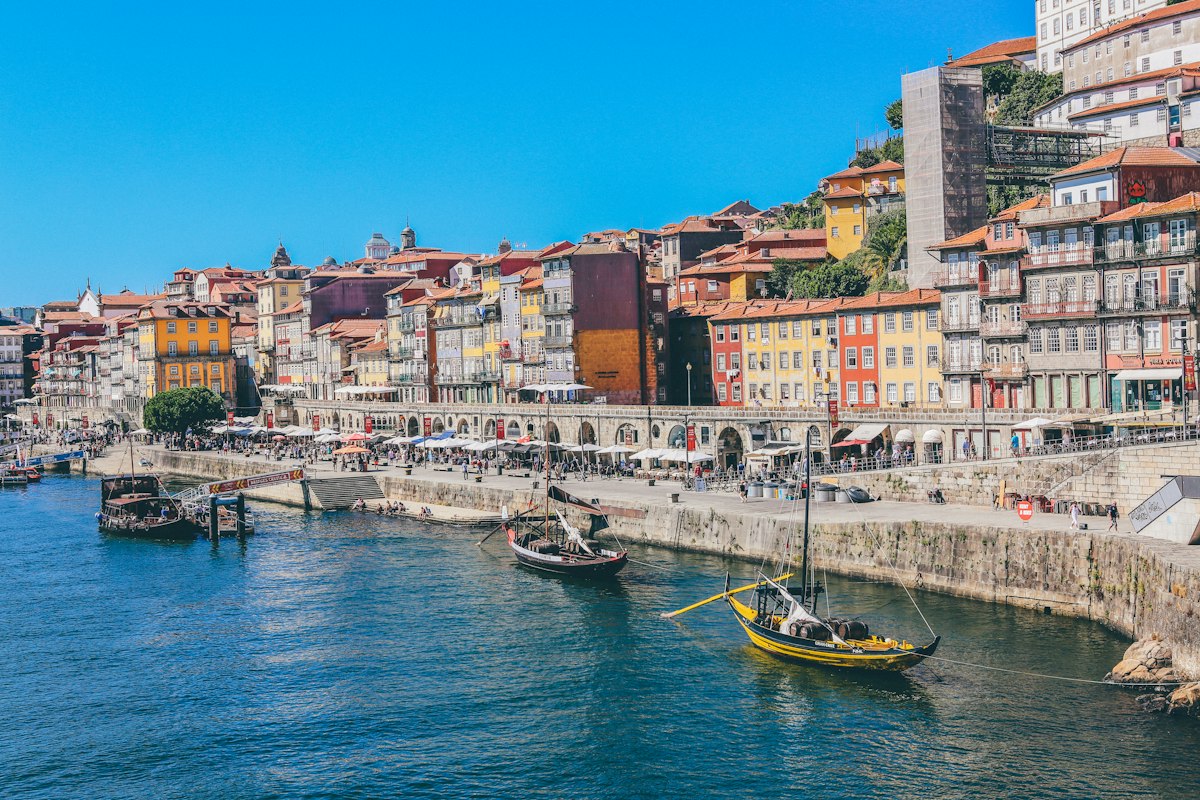
Why Portugal is peaking β€” and when to stop recommending it

Lisbon rooftops and coastline
Portugal has earned its moment β€” but like all moments, it has a shelf life advisors should be watching.
+34%
Tourism growth since 2022
€280
Avg. Lisbon hotel rate, up from €160 in 2019
3rd
Most searched European destination, 2025

Portugal has been the travel industry's darling for the better part of a decade β€” and with good reason. The food is exceptional, the wine criminally underpriced, the coastline diverse enough to satisfy both the rugged hiker and the infinity-pool crowd. Lisbon became one of Europe's great city breaks. The Alentejo quietly became one of the continent's best wine regions to visit. The Douro Valley offered river cruising without the Rhine's crowds.

The question for advisors right now isn't whether to recommend Portugal β€” it's how to recommend it intelligently, and to whom.

"The question isn't whether to recommend Portugal. It's how to recommend it intelligently, and to whom."

What's changed. Lisbon in peak season is now genuinely crowded in the way that Barcelona was a decade ago. Prices have caught up with Western European capitals. The "hidden gem" narrative that made it so easy to sell has expired β€” your clients who went four years ago will have a different experience today, and it's worth setting expectations accordingly.

Who it's still right for. First-time visitors to Europe who want a safe, walkable, food-forward city break will still love Lisbon. Porto continues to punch above its weight for authenticity versus price. The Algarve remains one of the most reliable family beach destinations on the continent, and the Douro Valley cruise market is still growing from a small enough base that quality options exist.

Who it's wrong for now. Clients who went five years ago and loved the "undiscovered" feeling will be disappointed. Budget-conscious travellers expecting the Portugal of 2018 will find the numbers don't work the same way. And anyone sensitive to crowds should be steered toward the shoulder season (March–April or October) or toward the Alentejo, which remains genuinely off the main tourist circuit.

The sell. Portugal is still excellent. It just requires a more honest, nuanced pitch than it did three years ago. Lead with specificity β€” the right region, the right season, the right client type β€” rather than the broad-brush enthusiasm that used to be sufficient. That specificity is, incidentally, exactly what separates you from a booking site.


Β· Β· Β·
05
Advisor Insight

The moment advisors knew they needed to charge planning fees

A pattern that comes up consistently among advisors who made the shift
Person reviewing documents at a desk
The planning fee conversation is rarely about money. It's about deciding what kind of business you're running.

Almost every advisor who charges planning fees today can identify the exact booking that made them decide to start. The details vary β€” a cruise, a honeymoon, a complex multi-country itinerary β€” but the shape of the story is almost always the same.

They spent hours on a proposal. Days, sometimes. They researched properties, called suppliers, built a detailed itinerary, wrote it up, sent it over. And the client either disappeared entirely, came back to say they'd found something cheaper online, or β€” perhaps most painfully β€” said thank you, booked something else, and then called three weeks later with a problem that wasn't their fault asking for help.

The labour was invisible because it was free. And because it was free, it had no perceived value.

"The labour was invisible because it was free. And because it was free, it had no perceived value."

The planning fee changes this in two ways that most advisors don't anticipate. The obvious one: you get paid for work you were already doing. The less obvious one: the quality of your client changes immediately. Someone who pays $150 or $300 upfront for your expertise has already decided they're buying expertise. They don't shop around. They don't send you the Expedia screenshot. They show up to the first call having filled in the intake form properly, because they've invested in the outcome.

The objection most advisors have β€” "my clients won't pay it" β€” turns out to be mostly wrong in practice. Some won't, and those are precisely the clients who were consuming your time without rewarding it. The ones who were always going to be great clients barely blink. The fee filters the former and doesn't lose the latter.

There's no single right number. Some advisors charge $100 for a straightforward booking and $500 for a complex itinerary. Others have a flat fee for everything. What matters less than the amount is the confidence with which you present it β€” which is a function of believing, genuinely, that your time and expertise are worth paying for. That belief tends to arrive after the booking that makes you realise you've been giving it away.

Have you made the shift to planning fees β€” or are you still thinking about it? We'd love to hear how it's gone. Use the form below.

Share your story
Want to be featured in a future issue?

Tell me about your practice and what shifted: reply to any Memo email, or write to admin@mycoddi.com. I read every one personally.

Never miss an issue
Get the MyCoddi Memo
in your inbox every two weeks

Business tips, client scripts, AI prompts, and destination intelligence β€” written specifically for independent travel advisors.

Subscribe free β†’
Free forever. No spam. Unsubscribe anytime.